
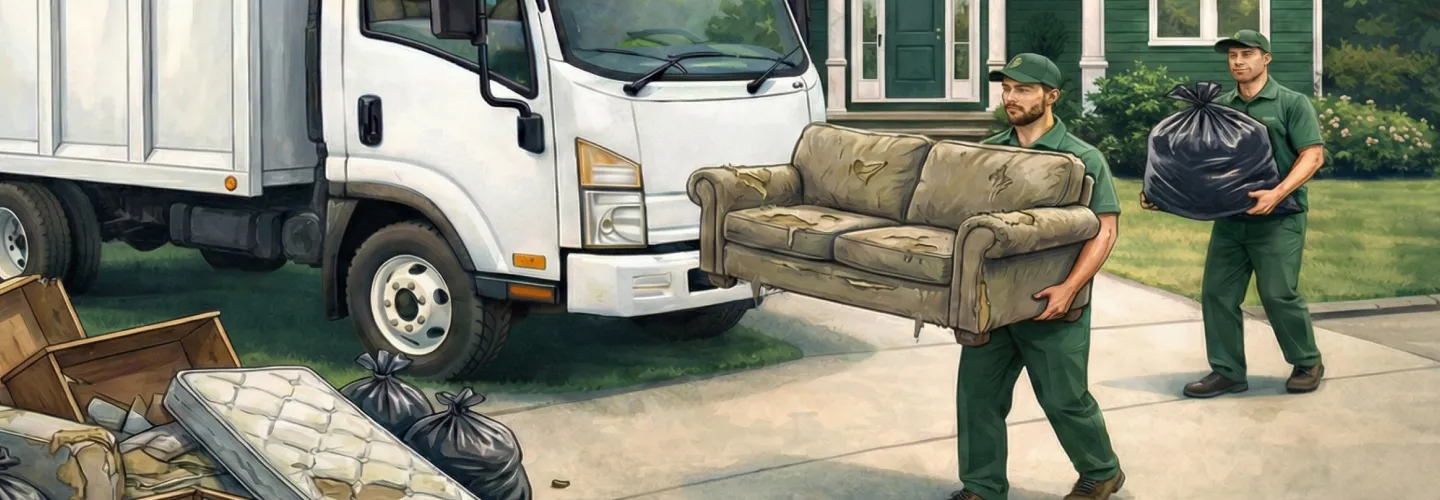
Stonecrest Hoarding Cleanup Services
Choose our Hoarding Cleanup for discreet, respectful, and thorough service—restoring safety, comfort, and peace of mind to your home.
Get a Free QuoteOur Stonecrest Junk Removal Services
Hoarding Cleanup in Stonecrest, GA – Local Service Guide
Hoarding cleanup in Stonecrest, GA requires a sensitive, strategic approach tailored to local needs. Whether you’re in the Panola Road corridor, near Arabia Mountain, or in the bustling Stonecrest Mall area, residents and businesses often face hoarding situations triggered by life transitions, property sales, or code enforcement actions. Residential items like furniture, mattresses, and appliances are commonly removed during seasonal cleanouts or after major life events. In neighborhoods with larger lots or older homes, access and weather can impact logistics, especially for oversized items or sheds. For residential spaces such as garages, basements, and yards, spring and fall are peak times for cleanouts, particularly after storms or in flood-prone areas like Snapfinger. Commercial properties—offices, restaurants, and warehouses—often require discreet, after-hours service to minimize disruption, with volume and timing varying by sector. Specialty cleanups, including estate, foreclosure, and construction debris, demand careful planning and coordination, especially when navigating local property regulations. For guidance on local rules and disposal resources, visit the Stonecrest Code Enforcement page.
Key Considerations for Hoarding Cleanup in Stonecrest
- Timing cleanouts around local weather and seasonal events
- Securing necessary permits for large-scale removals
- Choosing proper disposal or recycling channels for different item types
- Ensuring property access for trucks and crews in tight neighborhoods
- Estimating volume to select the right service or dumpster size
- Coordinating with local authorities for specialty or regulated items
Benefits of Hoarding Cleanup in Stonecrest
Compassionate and Discreet Service
Certified Cleanup Professionals
Fast and Reliable Response
Thorough Sanitization and Odor Removal
Customized Cleanup Plans
Safe Disposal of Hazardous Materials
Coordinating Hoarding Cleanup with Stonecrest Code Enforcement and Health Authorities
Hoarding situations in Stonecrest frequently involve code enforcement actions related to property maintenance violations, fire hazards, and structural concerns. The City of Stonecrest's Code Enforcement division investigates complaints regarding excessive accumulation of materials that obstruct egress, attract pests, or create unsanitary conditions. Properties cited for hoarding-related violations may face escalating penalties if conditions are not remediated within the specified compliance timeline.
- Property maintenance violations may be issued for obstructed doorways, windows, or hallways that impede emergency egress
- Fire code concerns are coordinated with DeKalb County Fire Rescue when accumulated materials create combustion risks
- Pest and sanitation complaints may trigger involvement from the DeKalb County Board of Health for environmental health inspections
- Structural load concerns require evaluation when excessive weight from hoarded items threatens floor or wall integrity
- Compliance deadlines are typically established through formal notice of violation, requiring documented remediation progress
Residents or property owners facing code enforcement action should contact the city directly to discuss remediation timelines and approved cleanup procedures.
Stonecrest Code Enforcement
3120 Stonecrest Blvd, Stonecrest, GA 30038
Phone: (770) 224-0200
Official Website: Stonecrest Code Enforcement
Biohazard and Hazardous Material Disposal Requirements for Stonecrest Hoarding Cases
Hoarding environments frequently contain biohazardous materials and hazardous waste that require specialized handling under Georgia and federal regulations. Common hazards encountered during hoarding cleanup include animal waste, decomposing organic matter, expired medications, cleaning chemicals, paint products, and batteries. These materials cannot be disposed of through standard residential waste collection and must be separated, contained, and transported according to applicable regulations.
- Biohazardous waste such as animal feces, bodily fluids, and contaminated textiles must be handled by trained personnel using appropriate personal protective equipment per OSHA Bloodborne Pathogens Standard (29 CFR 1910.1030)
- Household hazardous waste including paints, solvents, pesticides, and aerosol cans must be taken to DeKalb County's designated household hazardous waste collection events
- Expired medications should not be placed in regular trash or flushed; DEA-authorized collection sites accept unused pharmaceuticals
- Lead paint debris in pre-1978 homes requires lead-safe work practices under the EPA Renovation, Repair, and Painting Rule
- Refrigerant-containing appliances found in hoarding environments require certified refrigerant recovery per EPA Section 608 regulations before disposal
The Georgia Environmental Protection Division oversees solid waste management and hazardous waste regulations statewide. All cleanup contractors must ensure proper manifesting and transport of hazardous materials to licensed disposal facilities.
Stonecrest Building Permits and Structural Assessments for Hoarding Remediation
Severe hoarding cases in Stonecrest may necessitate building permits when cleanup involves structural repairs, demolition of damaged interior components, or renovation work following material removal. The Stonecrest Building Department administers permits for construction, renovation, and demolition activities within city limits. Properties where hoarding has caused water damage, mold growth, or compromised structural elements often require professional assessment before and after cleanup.
- Building permits are required when remediation involves removing or replacing walls, flooring, plumbing fixtures, or electrical systems damaged by prolonged hoarding conditions
- Structural assessments may be ordered by code enforcement when floor loading capacity is in question due to excessive material weight
- Mold remediation following cleanup of water-damaged hoarding environments should follow Georgia Department of Public Health guidelines
- Electrical system inspection is recommended when hoarded materials have obstructed panels, covered outlets, or created fire hazards near wiring
- Plumbing evaluation is necessary when fixtures have been inaccessible or non-functional due to material accumulation
Stonecrest Building Department
3120 Stonecrest Blvd, Stonecrest, GA 30038
Phone: (770) 224-0200
Official Website: Stonecrest Building Department
Recycling, Donation, and Material Recovery During Stonecrest Hoarding Cleanups
Hoarding cleanup projects in Stonecrest generate substantial volumes of mixed materials, many of which can be diverted from landfills through recycling and donation programs. Georgia's solid waste management framework, governed by the Georgia Comprehensive Solid Waste Management Act (O.C.G.A. § 12-8-20), encourages waste reduction and recycling. Sorting recoverable items during hoarding cleanup reduces disposal costs and supports environmental compliance.
- Clothing and textiles in usable condition can be donated to local charitable organizations; soiled or contaminated textiles must be disposed of as solid waste
- Electronics including televisions, computers, and peripherals should be directed to certified e-waste recyclers rather than placed in standard waste streams
- Scrap metal from appliances, furniture frames, and household items can be separated for metal recycling facilities in the DeKalb County area
- Furniture in serviceable condition may be accepted by Habitat for Humanity ReStore or similar reuse organizations operating in the greater Atlanta metro area
- Cardboard, paper, and recyclable plastics should be separated from general debris when feasible and directed to DeKalb County recycling programs
DeKalb County Public Works
1580 Roadhaven Dr, Stone Mountain, GA 30083
Phone: (404) 294-2900
Official Website: DeKalb County Public Works
Mental Health Resources and Social Services Coordination for Stonecrest Hoarding Situations
Effective hoarding cleanup in Stonecrest extends beyond physical material removal and requires coordination with mental health and social service providers. Hoarding disorder is recognized as a clinical condition in the Diagnostic and Statistical Manual of Mental Disorders (DSM-5), and cleanup efforts conducted without appropriate behavioral health support frequently result in recurrence. Municipal agencies, social workers, and cleanup professionals should collaborate to connect affected individuals with ongoing support services.
- DeKalb County Community Service Board provides mental health services, including counseling and case management, for residents experiencing hoarding disorder
- Adult Protective Services through the Georgia Division of Aging Services may be involved when hoarding conditions endanger vulnerable adults or seniors
- Code enforcement coordination with social services helps ensure that compliance timelines account for the individual's capacity to participate in remediation
- Post-cleanup follow-up through community-based organizations can help prevent re-accumulation and support long-term recovery
- Family and caregiver education regarding hoarding disorder reduces stigma and improves outcomes for sustained property maintenance
Connecting individuals with appropriate clinical resources before, during, and after physical cleanup is essential for lasting remediation and compliance with Stonecrest property maintenance standards.
What Neighborhoods Do We Serve Throughout Stonecrest, GA?
- Arabia Mountain Corridor: Properties near the Arabia Mountain National Heritage Area feature single-family homes on larger lots. Hoarding cleanup in this area may involve extensive outdoor accumulation on properties with wooded buffers, requiring coordination with the Stonecrest Arborist Division if vegetation clearing is necessary.
- Klondike Road Area: This established residential corridor contains older single-family homes, some built before 1978, which may require lead paint assessment during hoarding remediation. Narrower lot configurations can limit staging areas for debris removal vehicles.
- Stonecrest Mall District: Mixed commercial and residential properties surround the mall area. Hoarding situations in adjacent apartment complexes may require building management coordination, service elevator access, and compliance with multi-family property maintenance codes.
- Lithonia-area Neighborhoods: Communities along Covington Highway and Redan Road include a mix of ranch-style homes and townhome developments. Older construction may present asbestos concerns during structural remediation following severe hoarding cases.
- Browns Mill Road Corridor: Single-family subdivisions in this area feature standard driveway access suitable for cleanup vehicles. Homeowner association regulations in some subdivisions may impose additional requirements regarding debris staging and removal timelines.
- Panola Road Communities: Newer subdivisions along Panola Road generally offer wider streets and accessible driveways. These neighborhoods may have active HOA oversight that requires advance notification and approval before large-scale hoarding cleanup operations commence.