
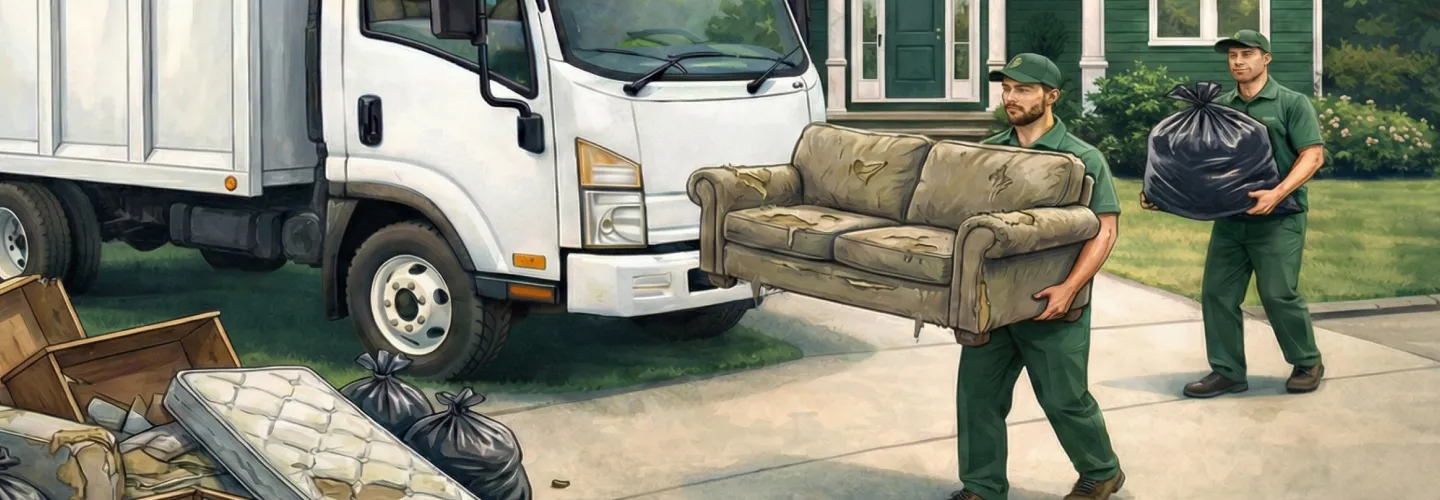
Stonecrest Scrap Metal Removal Services
Choose our Scrap Metal Removal for hassle-free, eco-friendly service that clears your space quickly while ensuring responsible recycling and top-notch customer care.
Get a Free QuoteOur Stonecrest Junk Removal Services
Scrap Metal Removal in Stonecrest, GA – Local Service Guide
Scrap metal removal in Stonecrest, GA is essential for maintaining safe, clutter-free homes and businesses. In neighborhoods like Panola Gardens and Fairington, residents often need removal services during spring cleanouts, after appliance upgrades, or following storm damage. Local disposal options include recycling centers and donation programs, but larger items or bulk pickups may require professional coordination, especially during rainy seasons or when access is limited by narrow driveways or heavy tree coverage. For commercial properties in areas such as Stonecrest Marketplace, regular scrap metal removal is crucial for warehouses, restaurants, and construction sites to ensure compliance and operational efficiency. Specialty projects—like estate cleanouts or construction debris removal—demand careful planning and adherence to city guidelines. For more on local regulations and resources, visit the Stonecrest Building Department.
Key Considerations for Scrap Metal Removal in Stonecrest
- Timing: Plan around seasonal cleanouts and weather patterns
- Permits: Check city requirements for large or specialty removals
- Disposal Channels: Use approved recycling or donation options
- Access: Consider driveway width, tree coverage, and property layout
- Volume: Estimate load size for efficient scheduling
- Coordination: Align with local pickup schedules and category-specific needs
Benefits of Scrap Metal Removal in Stonecrest
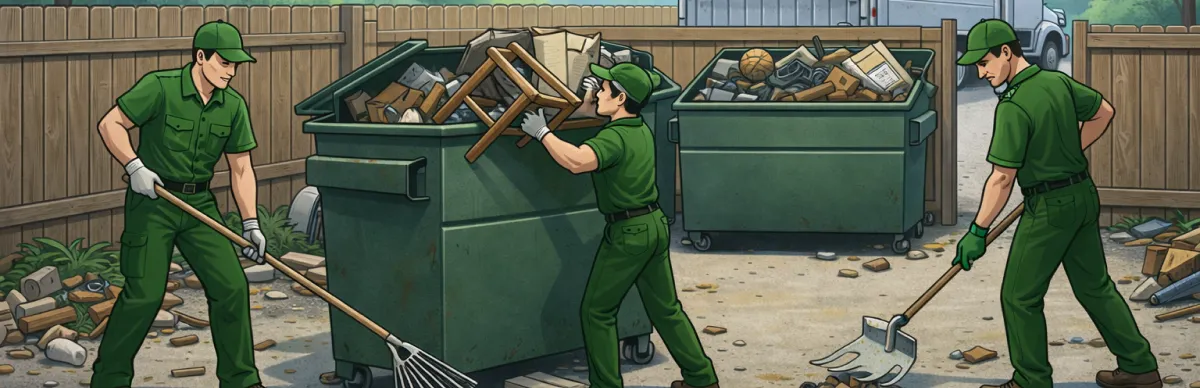
Eco-Friendly Disposal
Fast and Reliable Service
Free Up Valuable Space
Safe Removal Practices
Competitive Pricing
Experienced Local Team
Coordinating Scrap Metal Disposal with DeKalb County Public Works in Stonecrest
Stonecrest residents and property owners generating scrap metal must coordinate disposal through DeKalb County's solid waste infrastructure, as the city relies on county-level services for bulk material handling. Scrap metal from residential cleanouts, appliance replacements, and property renovations requires proper sorting before transport to authorized facilities. Key considerations include:
- Ferrous metals (steel, iron, cast iron) and non-ferrous metals (copper, aluminum, brass) must be separated before delivery to recycling facilities
- Bulk metal items such as water heaters, metal fencing, and automotive parts are not accepted through standard curbside collection
- Residents should contact DeKalb County Public Works to confirm accepted materials and current drop-off procedures
- Metal items containing hazardous components (e.g., mercury switches, refrigerants, lead solder) require special handling before recycling
- Commercial generators producing large volumes of scrap metal may need to arrange private hauler services licensed through the county
DeKalb County Public Works
1580 Roadhaven Drive, Stone Mountain, GA 30083
Phone: (404) 294-2900
Official Website: DeKalb County Public Works
Georgia Environmental Protection Division Requirements for Scrap Metal Recycling
Georgia's solid waste management framework, administered by the Georgia Environmental Protection Division (GA EPD), establishes regulations that directly affect scrap metal collection, transport, and processing in Stonecrest. The Georgia Comprehensive Solid Waste Management Act (O.C.G.A. § 12-8-20) governs how recyclable metals must be handled to prevent environmental contamination and ensure proper material recovery. Stonecrest residents and contractors should be aware of the following state-level requirements:
- Scrap tire regulations apply when metal rims are still attached; tires must be separated and managed under Georgia's Scrap Tire Management Program
- Appliances containing refrigerants (air conditioners, refrigerators, dehumidifiers) require certified refrigerant recovery per EPA Section 608 regulations before metal recycling
- Lead-acid batteries are banned from landfill disposal statewide and must be returned to retailers or authorized recycling facilities
- Vehicles and large equipment require title documentation and fluid removal (oil, coolant, brake fluid) before being processed as scrap
- Georgia encourages scrap metal recycling as part of county-level solid waste management plans, supporting landfill diversion goals established under state law
Stonecrest Code Enforcement Standards for Scrap Metal Accumulation on Properties
The City of Stonecrest enforces property maintenance codes that regulate the outdoor storage and accumulation of scrap metal on residential and commercial properties. Unmanaged metal debris—including old appliances, automotive parts, metal furniture, and construction remnants—can result in code violations, fines, and mandatory abatement orders. Property owners should understand the following enforcement standards:
- Visible accumulation of scrap metal in yards, driveways, or vacant lots may violate Stonecrest's property maintenance ordinances
- Inoperable vehicles stored on residential properties without proper screening or enclosure are subject to citation
- Code enforcement officers may issue notices of violation requiring removal within a specified timeframe, typically 10–30 days
- Failure to comply with abatement orders can result in municipal liens and city-contracted removal at the property owner's expense
- Commercial properties generating scrap metal must maintain enclosed storage areas that comply with zoning and stormwater management requirements
Stonecrest Code Enforcement
3120 Stonecrest Blvd, Stonecrest, GA 30038
Phone: (770) 224-0200
Official Website: Stonecrest Code Enforcement
Residents facing code enforcement actions related to scrap metal accumulation should contact the department promptly to discuss compliance timelines and approved disposal methods.
Safety and Hazardous Material Handling During Scrap Metal Removal in Stonecrest
Scrap metal removal presents significant safety hazards that require proper equipment, training, and awareness of hazardous material regulations. Properties in Stonecrest built before 1978 may contain lead-painted metal components, and older HVAC systems or industrial equipment may include asbestos-containing gaskets or insulation. Federal and state regulations mandate specific handling procedures:
- Lead-painted metals (window frames, railings, siding) require compliance with the EPA Renovation, Repair, and Painting Rule when disturbed during removal
- Asbestos-containing materials attached to metal ductwork or piping require inspection by a licensed assessor; friable asbestos must be removed by certified abatement contractors before metal recycling
- Sharp edges and heavy loads necessitate cut-resistant gloves, steel-toed boots, and proper lifting techniques per OSHA general industry standards
- Compressed gas cylinders (propane tanks, acetylene bottles) must never be placed in scrap metal loads due to explosion risk
- Mercury switches found in older thermostats and appliances must be removed and disposed of as hazardous waste through DeKalb County Watershed Management or designated household hazardous waste collection events
DeKalb County Fire Rescue Department
1950 West Exchange Place, Tucker, GA 30084
Phone: (404) 294-2900
Official Website: DeKalb County Fire Rescue Department
Scrap Metal Recycling and Material Recovery Options Available to Stonecrest Residents
Recycling scrap metal is both an environmental responsibility and an opportunity to divert valuable materials from landfills. Stonecrest residents can access several recycling pathways depending on the type and volume of metal being removed. Ferrous and non-ferrous metals have different market values and processing requirements, making proper sorting essential before transport. Key recycling considerations include:
- Copper wiring and piping commands higher recycling value but must be verified as legally obtained; scrap yards in Georgia require valid identification and may hold payments for 15 days per state law (O.C.G.A. § 10-1-360)
- Aluminum siding, gutters, and cans are widely accepted at local scrap processors and recycling drop-off centers
- Steel appliances (washers, dryers, ovens, dishwashers) are accepted at most scrap yards after hazardous components are removed
- Cast iron (bathtubs, radiators, pipes) is recyclable but requires heavy equipment for transport due to weight
- Mixed metals from demolition or renovation projects should be sorted on-site to maximize recycling value and ensure compliance with facility acceptance requirements
Stonecrest Building Department
3120 Stonecrest Blvd, Stonecrest, GA 30038
Phone: (770) 224-0200
Official Website: Stonecrest Building Department
Renovation and demolition projects generating significant scrap metal volumes should obtain appropriate building permits through the Stonecrest Building Department before commencing work.
What Neighborhoods Do We Serve Throughout Stonecrest, GA?
- The Villages at Stonecrest: This master-planned community features single-family homes with wide driveways and accessible cul-de-sacs, facilitating efficient loading of metal debris from garage cleanouts, fence replacements, and appliance removals. HOA guidelines may require advance notification before staging scrap metal curbside.
- Lithonia (Stonecrest Area): Older residential properties in this area frequently generate scrap metal from aging HVAC systems, metal roofing, and plumbing replacements. Pre-1978 homes may require lead paint assessment on metal components before removal.
- Redan Corridor: A mix of residential and light commercial properties produces diverse scrap metal types, including retail fixtures, signage, and residential appliances. Street access is generally favorable for standard removal vehicles.
- Panola Road Corridor: Commercial and industrial properties along this corridor generate higher volumes of structural steel, metal shelving, and equipment. Coordination with property managers and adherence to commercial zoning requirements is essential.
- Browns Mill Area: Established residential neighborhoods with mature tree canopy may present overhead clearance challenges for larger removal vehicles. Metal fencing, outdoor furniture, and aging carports are common scrap sources.
- Klondike Road Community: Newer residential developments with accessible street layouts and modern construction. Scrap metal from renovation upgrades and landscaping projects is typical, with minimal hazardous material concerns due to recent construction dates.