
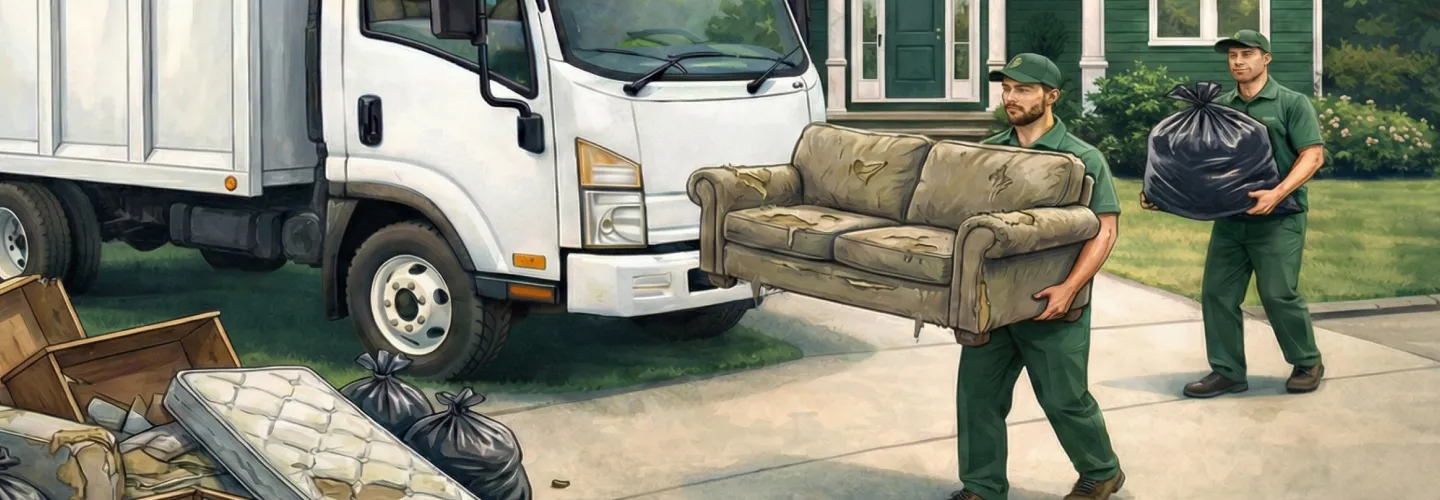
Stonecrest Construction Waste Management Services
Choose Stonecrest for your construction waste management needs and experience hassle-free, eco-friendly disposal that keeps your project on schedule and your site safe—trust our expertise to handle every load with care and compliance.
Get a Free QuoteOur Stonecrest Junk Removal Services
Construction Waste Management in Stonecrest, GA – Local Service Guide
Effective construction waste management in Stonecrest, GA, is essential for maintaining clean neighborhoods and supporting sustainable growth. In residential areas like Panola Road and Lithonia Industrial Boulevard, waste often arises during home renovations, appliance upgrades, or seasonal cleanouts. Residents disposing of furniture, mattresses, or hot tubs should consider donation or recycling options, especially during spring and fall when replacements are common. For spaces such as garages or yards, storm debris and yard waste peak after heavy rains or during annual cleanups, with local schedules varying by neighborhood and property type. Commercial sectors in Stonecrest, including the Turner Hill business corridor, face unique challenges—restaurants and offices generate consistent waste streams, requiring discreet, timely pickups and compliance with local regulations. Specialty services, such as dumpster rentals for construction debris or estate cleanouts, demand careful planning and coordination, particularly for larger properties or during foreclosure situations. For guidance on permits and local disposal rules, consult the Stonecrest Building Department.
Key Considerations for Construction Waste Management in Stonecrest
- Timing projects around local weather and seasonal events
- Securing necessary permits for large-scale disposal
- Using approved disposal and recycling channels
- Ensuring site access for removal vehicles
- Accurately estimating waste volume and category
- Coordinating with city services for specialty items
Benefits of Construction Waste Management in Stonecrest
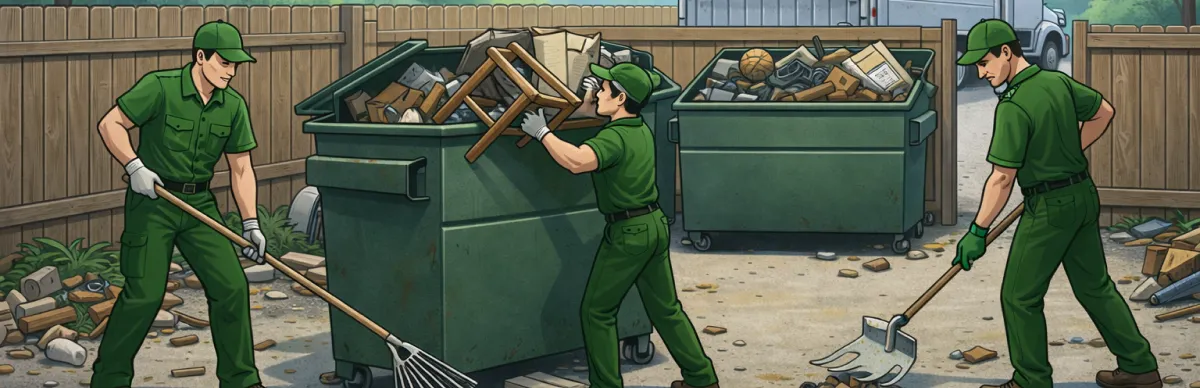
Efficient Waste Removal
Cost-Effective Solutions
Eco-Friendly Disposal
Regulatory Compliance
Improved Site Safety
Streamlined Project Management
Coordinating Construction Debris Disposal with Stonecrest's Building Department and Code Enforcement
Construction and demolition projects in Stonecrest generate significant volumes of waste that require proper coordination with municipal authorities before disposal begins. The Stonecrest Building Department oversees permits for renovation and demolition activities, and contractors must ensure that waste management plans align with permit conditions. Failure to comply with local building codes may result in stop-work orders or fines issued by Stonecrest Code Enforcement.
Key coordination steps include:
- Obtain building permits before beginning any demolition or major renovation that generates construction debris
- Submit a waste management plan detailing how materials will be sorted, transported, and disposed of or recycled
- Schedule inspections with the Building Department to verify debris removal meets code requirements
- Report illegal dumping of construction materials to Code Enforcement for investigation and abatement
- Maintain documentation of all hauler receipts and landfill manifests for permit compliance verification
Stonecrest Building Department
3120 Stonecrest Blvd, Stonecrest, GA 30038
Phone: (770) 224-0200
Official Website: Stonecrest Building Department
Georgia's Solid Waste Management Act and Construction Debris Compliance Requirements
Georgia regulates construction and demolition waste under the Georgia Comprehensive Solid Waste Management Act (O.C.G.A. § 12-8-20), which establishes standards for the handling, transport, and disposal of all solid waste including construction debris. The Georgia Environmental Protection Division (GA EPD) enforces these regulations statewide and issues permits for landfills and transfer stations that accept construction materials.
Important state-level requirements include:
- Inert waste landfills are designated specifically for construction materials such as concrete, brick, rock, and uncontaminated soil
- Construction and demolition (C&D) debris must be disposed of at facilities permitted by GA EPD to accept such materials
- Asbestos-containing materials require notification to GA EPD at least ten working days before demolition or renovation begins, per the National Emission Standards for Hazardous Air Pollutants (NESHAP)
- Lead-based paint debris from pre-1978 structures must follow EPA Renovation, Repair, and Painting Rule protocols
- Illegal disposal of construction waste carries penalties including fines and potential criminal prosecution under Georgia law
Contractors operating in Stonecrest must verify that all disposal facilities hold valid GA EPD permits before transporting construction debris off-site.
Material Sorting and Separation Standards for Stonecrest Construction Projects
Proper sorting of construction waste at the job site is essential for regulatory compliance and environmental stewardship. DeKalb County, which provides infrastructure services to the Stonecrest area through DeKalb County Public Works, requires that certain recyclable materials be diverted from landfill disposal when feasible. Separating materials on-site reduces disposal costs and supports landfill diversion goals.
Construction waste should be sorted into the following categories:
- Concrete, brick, and masonry — eligible for crushing and reuse as aggregate; accepted at inert waste landfills and recycling facilities
- Scrap metal (rebar, steel framing, copper pipe, aluminum) — recyclable through scrap metal processors; has resale value
- Clean wood (untreated lumber, pallets) — may be chipped for mulch or biomass; painted or treated wood requires separate disposal
- Drywall and gypsum board — recyclable at specialized facilities; must be kept dry and free of contamination
- Roofing shingles (asphalt) — accepted at select recycling facilities for road base material
- Hazardous materials (paint, solvents, adhesives, caulk) — prohibited from regular construction waste streams; must be handled as hazardous waste
DeKalb County Public Works
1580 Roadhaven Drive, Stone Mountain, GA 30083
Phone: (404) 294-2900
Official Website: DeKalb County Public Works
Stormwater Protection and Environmental Safeguards During Stonecrest Construction Projects
Construction sites in Stonecrest must implement erosion and sediment control measures to prevent construction waste and debris from contaminating local waterways. DeKalb County Watershed Management oversees stormwater compliance, and projects disturbing one acre or more of land require a National Pollutant Discharge Elimination System (NPDES) permit from GA EPD.
Environmental safeguards for construction waste management include:
- Install silt fencing and sediment barriers around debris staging areas to prevent runoff into storm drains
- Cover waste piles with tarps during rain events to prevent contaminated stormwater discharge
- Designate a washout area for concrete trucks and equipment cleaning, away from storm drains and waterways
- Store hazardous materials (fuels, paints, solvents) in secondary containment to prevent spills
- Maintain a spill response kit on-site with absorbent materials, as required under EPA Region 4 stormwater guidelines
- Document all waste removal with manifests showing proper disposal at permitted facilities
DeKalb County Watershed Management
1580 Roadhaven Drive, Stone Mountain, GA 30083
Phone: (770) 621-7200
Official Website: DeKalb County Watershed Management
Violations of stormwater protection requirements can result in significant fines and project delays. The Stonecrest City Engineering department reviews site plans for compliance with local land disturbance regulations.
Hazardous Material Handling and Worker Safety on Stonecrest Construction Sites
Construction waste management in Stonecrest must account for hazardous materials commonly encountered during renovation and demolition of older structures. OSHA regulations require employers to provide hazard communication training and appropriate personal protective equipment for workers handling construction debris that may contain dangerous substances.
Critical safety and handling requirements include:
- Asbestos surveys are required before demolition of structures built before 1980; only Georgia-licensed abatement contractors may remove friable asbestos materials
- Lead-based paint in pre-1978 buildings must be managed under EPA's RRP Rule; certified renovators must use lead-safe work practices including containment and HEPA vacuuming
- Silica dust exposure from cutting concrete, brick, or stone requires respiratory protection and dust suppression per OSHA's silica standard (29 CFR 1926.1153)
- Treated lumber (CCA-treated wood) must not be burned on-site; it requires disposal at permitted solid waste facilities
- Refrigerant-containing equipment (HVAC units) encountered during demolition requires certified technician recovery per EPA Section 608 regulations
Stonecrest Code Enforcement
3120 Stonecrest Blvd, Stonecrest, GA 30038
Phone: (770) 224-0200
Official Website: Stonecrest Code Enforcement
What Neighborhoods Do We Serve Throughout Stonecrest, GA?
- Arabia Mountain Area: Proximity to the Arabia Mountain National Heritage Area means construction projects may face additional environmental review requirements. Single-family residential developments generate typical renovation debris including roofing, siding, and drywall materials.
- Klondike Road Corridor: A mix of commercial and residential properties along this corridor produces varied construction waste streams. Larger commercial renovation projects may require coordination with Stonecrest Planning & Zoning for land use compliance.
- Mall at Stonecrest District: Commercial redevelopment activity generates high volumes of construction debris including steel, concrete, and interior finish materials. Loading dock access and business-hour scheduling are important logistical considerations.
- Lithonia Industrial Area: Warehouse and industrial facility renovations produce heavy materials such as concrete flooring, metal framing, and industrial equipment. Weight limitations on local roads may affect hauling routes.
- Browns Mill Road Residential Area: Established single-family neighborhoods with ongoing home improvement projects generate moderate volumes of construction waste. Narrow residential streets may require advance coordination for debris removal vehicles.
- Covington Highway Corridor: Mixed-use development along this major thoroughfare involves both demolition of older commercial structures and new construction. Traffic management and right-of-way considerations affect debris hauling schedules.